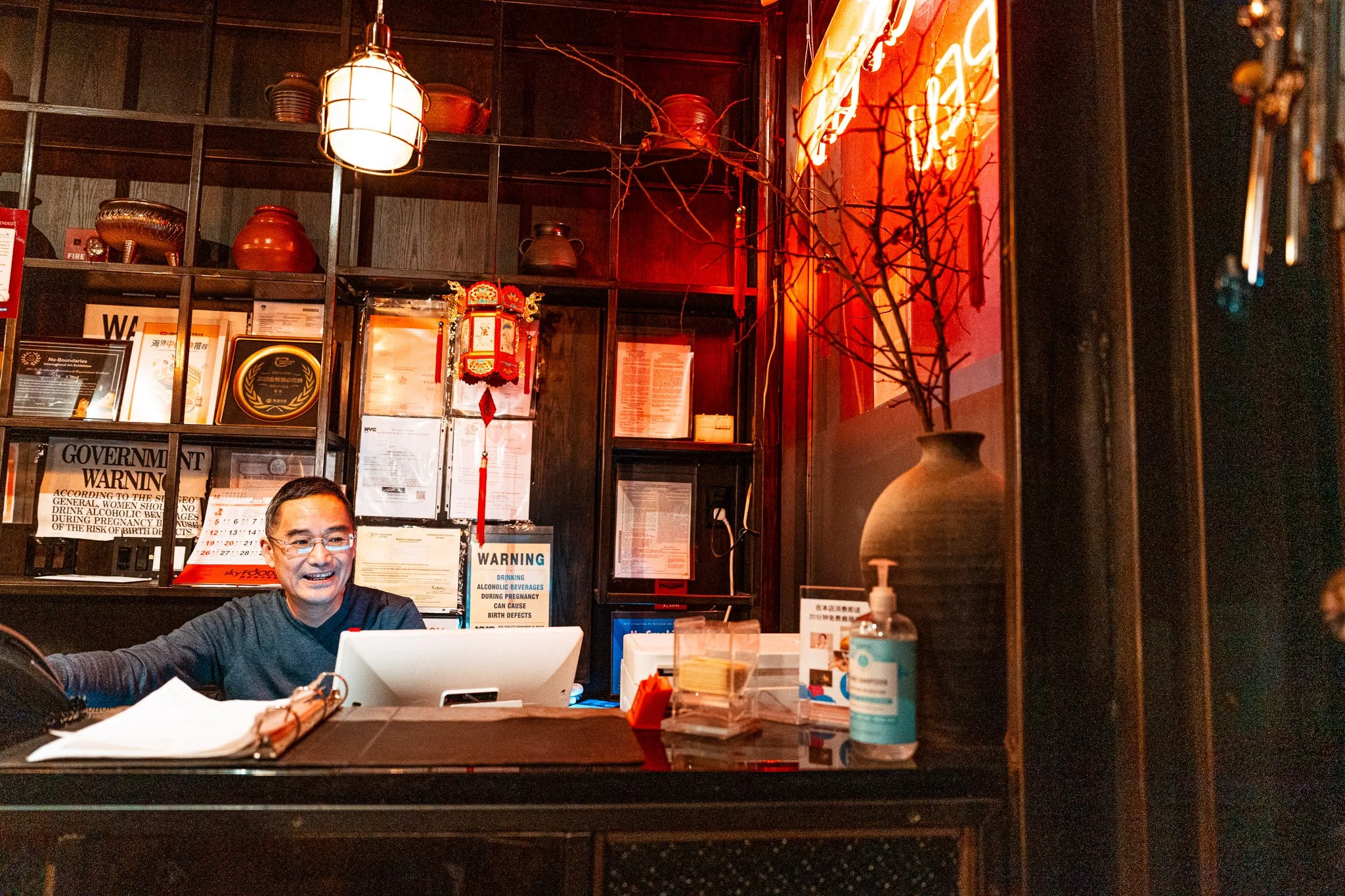
Alley 41: A Hidden Sichuan Haven in Flushing
By Tony-JunLin Pan
Read The New York Times’ full feature: The Runners-Up in Our Second Annual ‘Where We Are’ Photo Essay Contest
Contest results here!
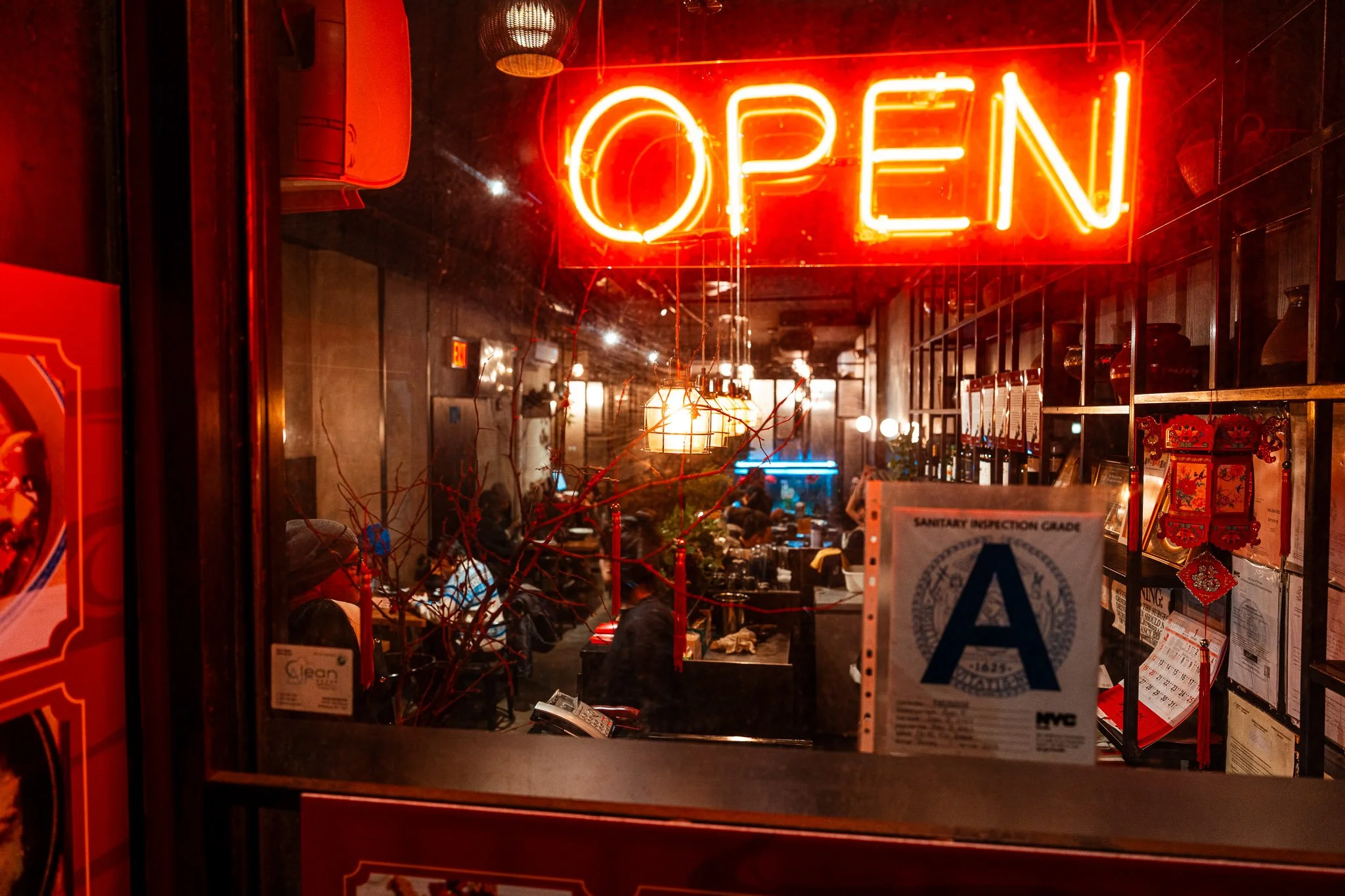
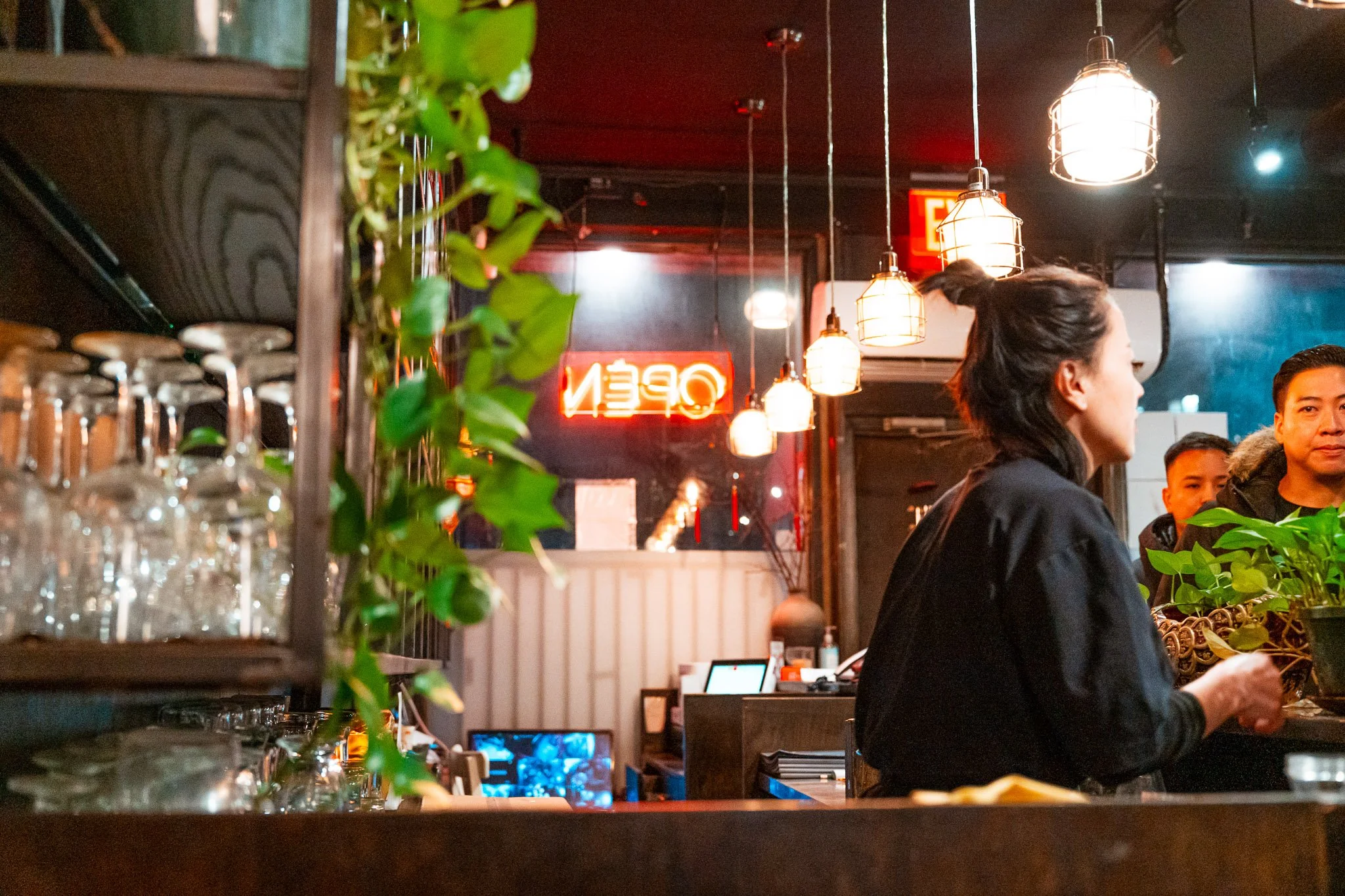
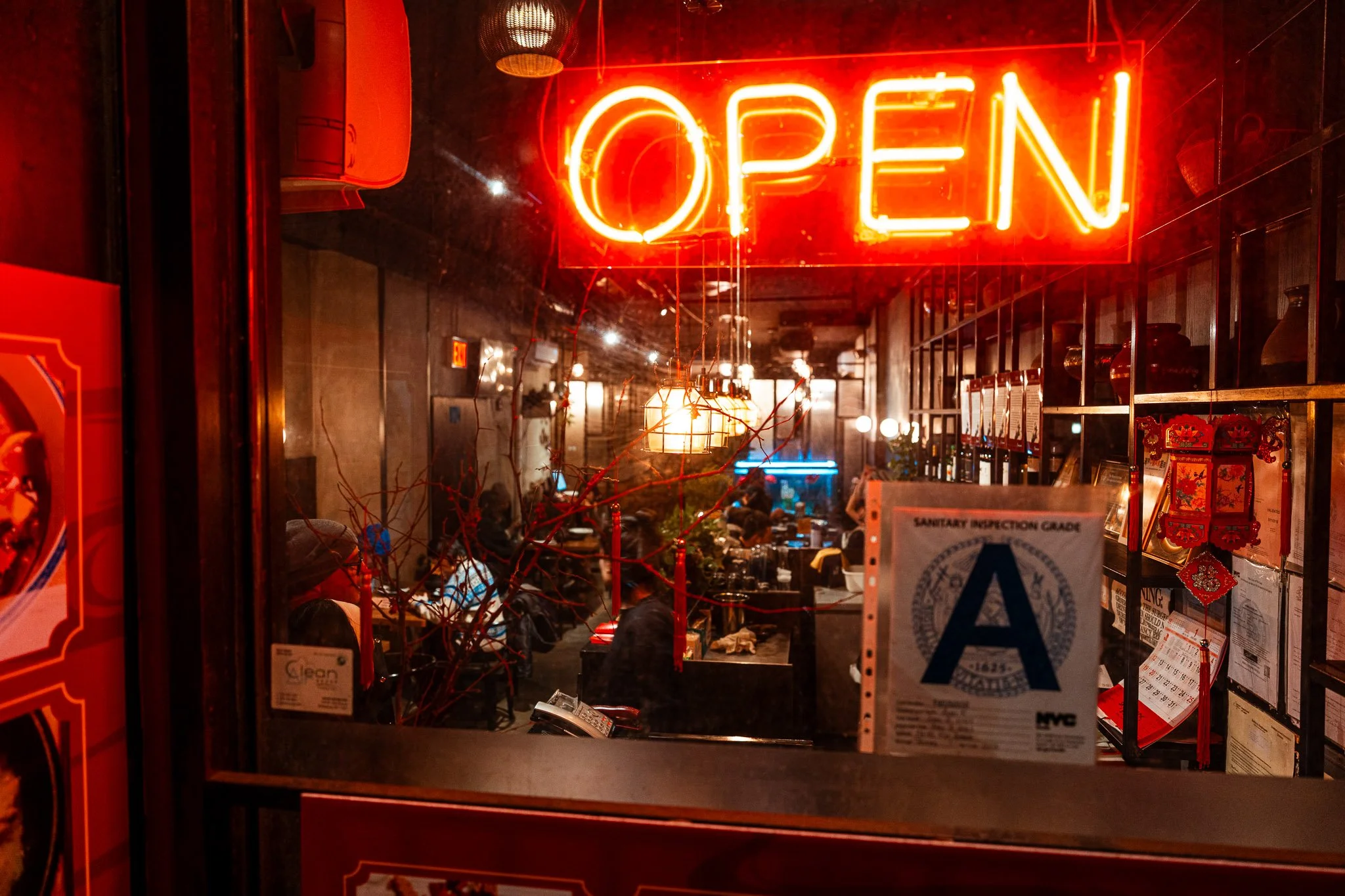
The sun began to clip the horizon just outside 41st Avenue in Flushing, Queens, a community with a history of Chinese family-owned restaurants. Groups of hungry customers began trickling into Alley 41 through an inconspicuous entrance tucked between private residences.
More than a restaurant, Alley 41 — also known as 蜀巷, or “Sichuan Alley” in Chinese — was started by Yao Hua, and stands as a cultural sanctuary for Chinese Americans craving the timeless comfort and flavors of home.
Mr. Yao remembers his search for belonging in New York when he first immigrated. “Sichuan flavors were not the same. Restaurants did not feel the same. I thought I would never find that childhood memory again. I grew up in a small alley in Chengdu with countless restaurants, so I wanted to find an environment in America similar to home,” he said.
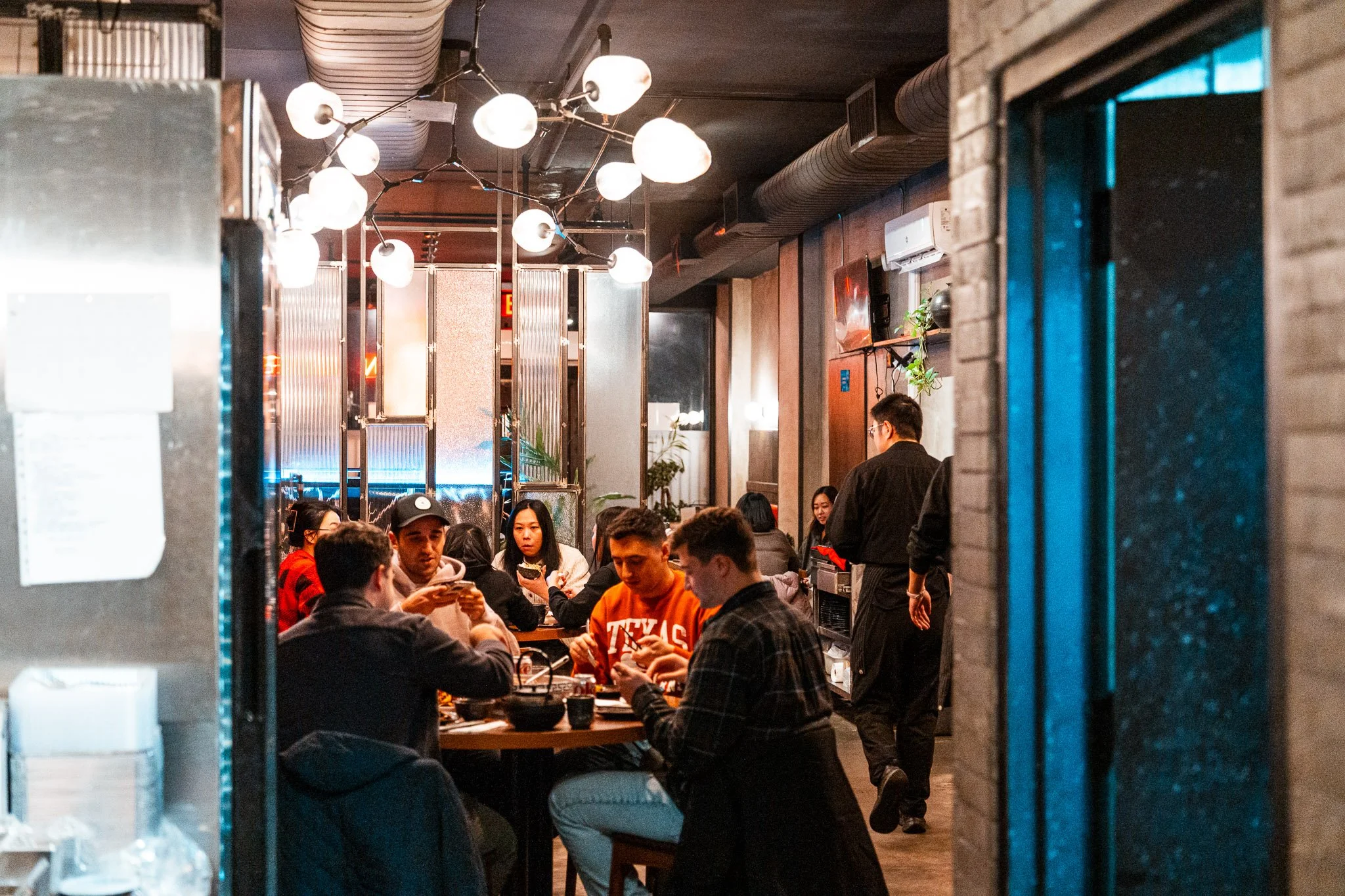
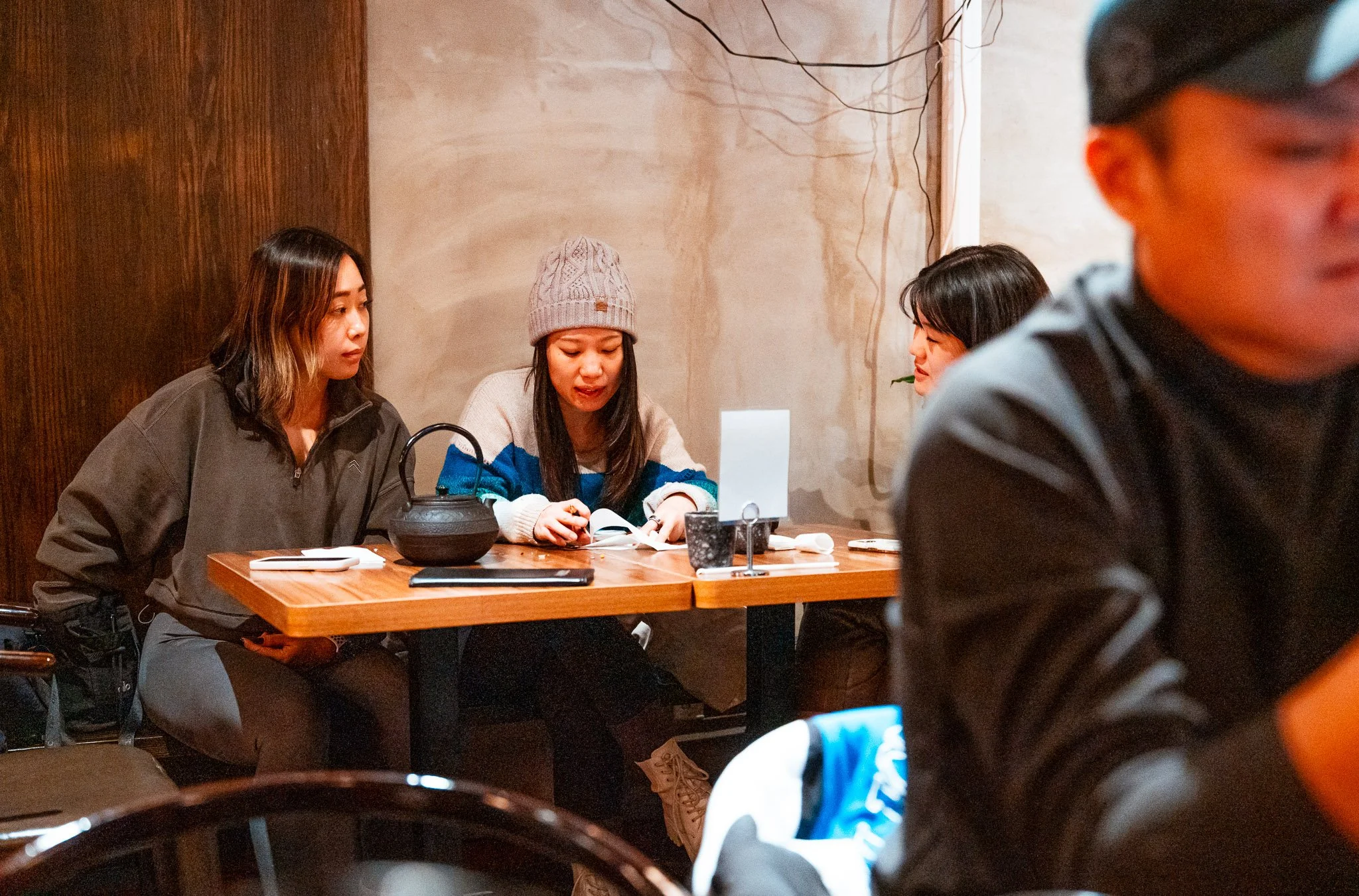
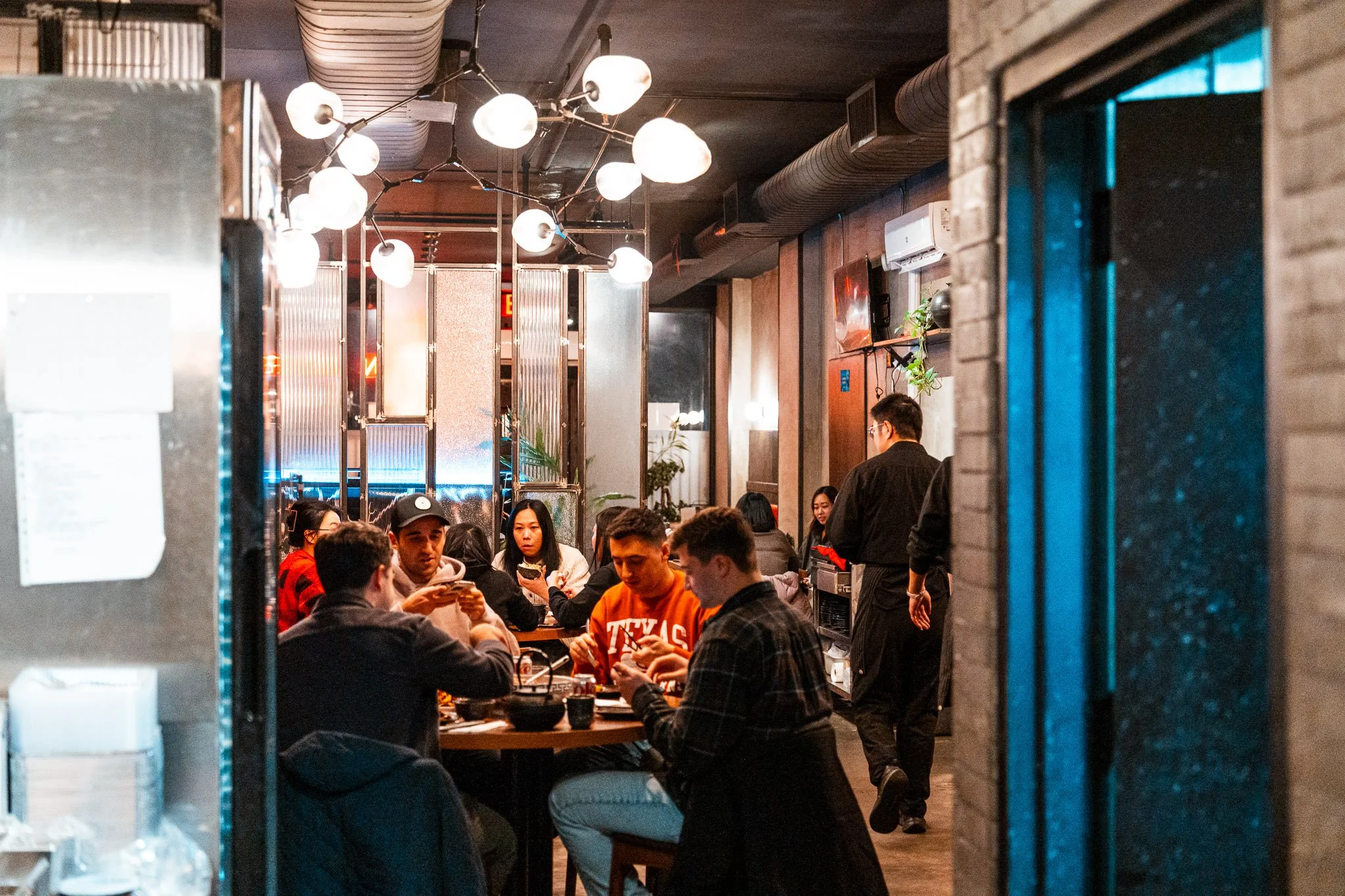
Inside the restaurant during rush hour, groups of people huddle around the traditional, family-style tables that are often used in Chinese homes. The use of traditional teapots and utensils also serves to remind customers of memories of home. For those who grew up in China, it feels like a space reminiscent of street-side dining in Chengdu.
For immigrants like Yao, when he is not serving the Chinese community, introducing Sichuan cuisine to those unfamiliar with it is “like opening a door to a new world.”
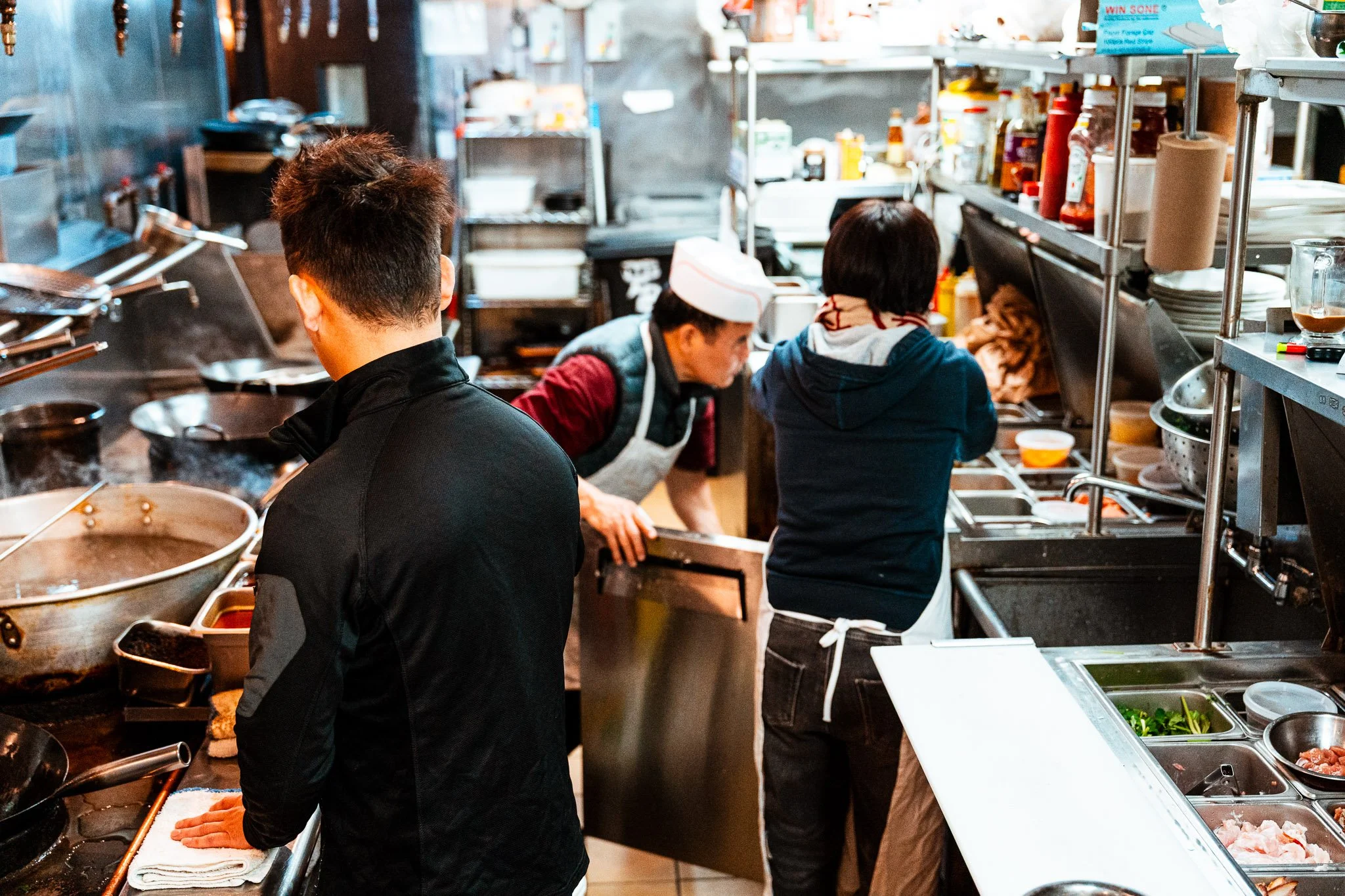
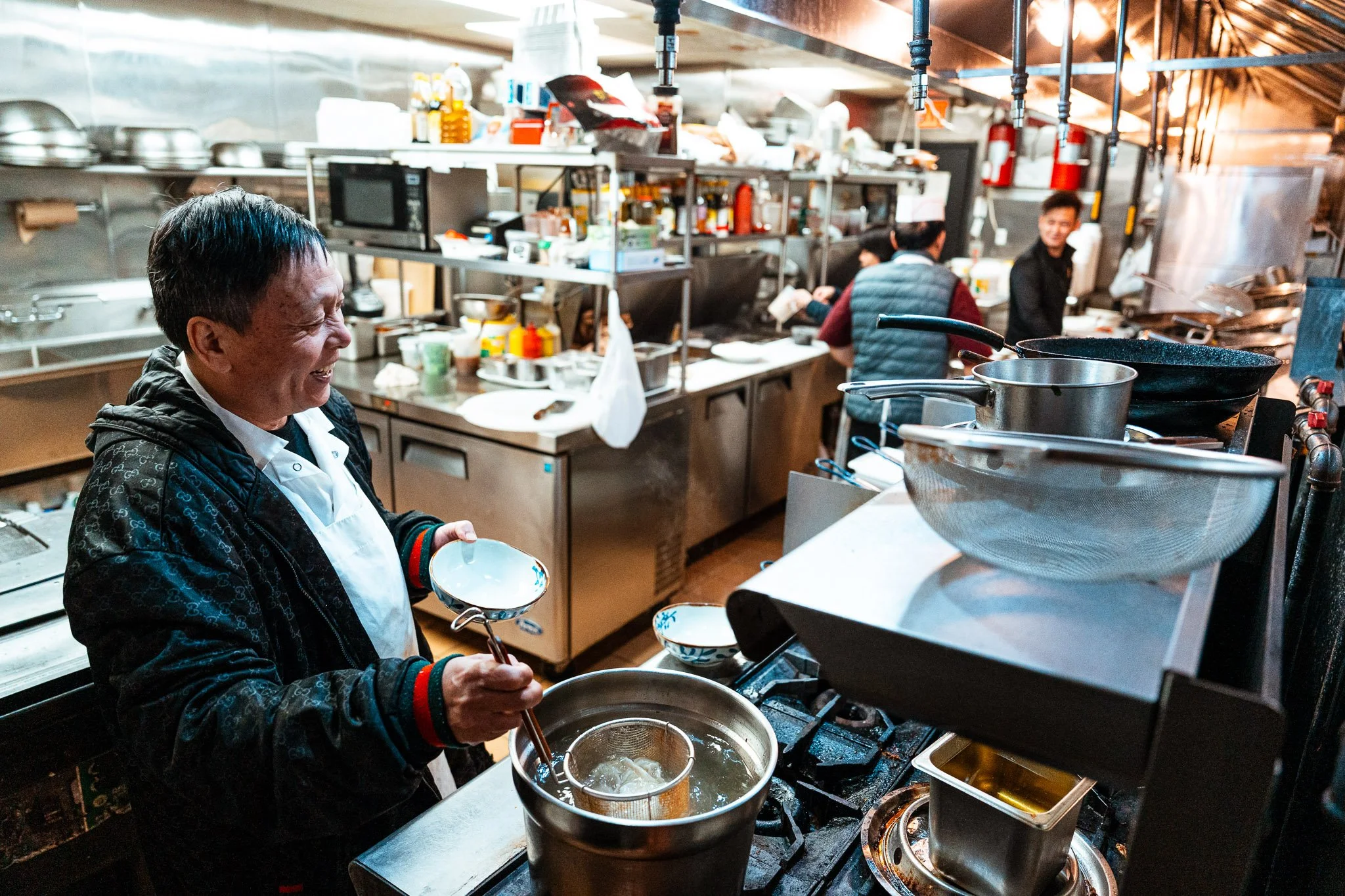
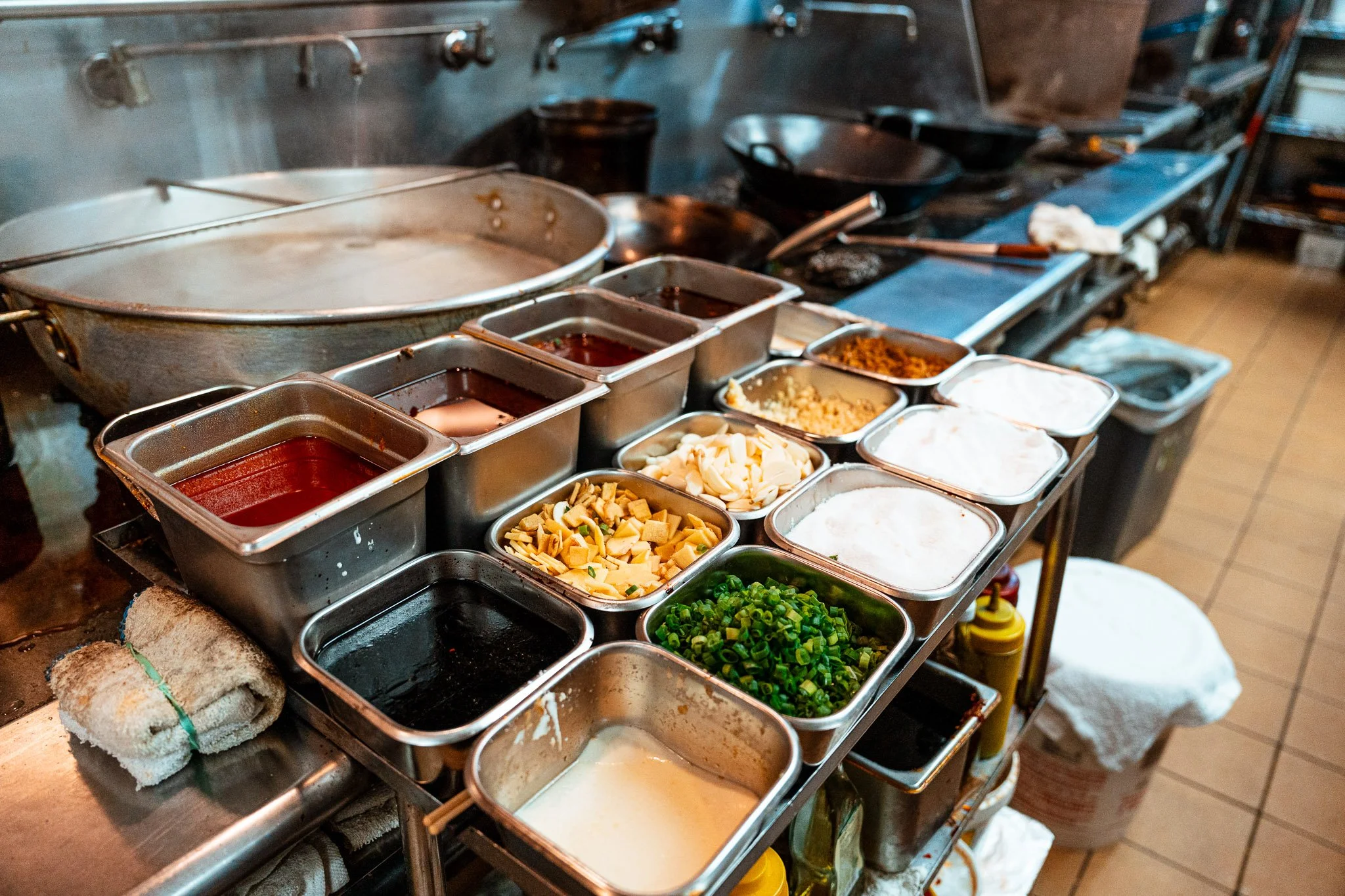
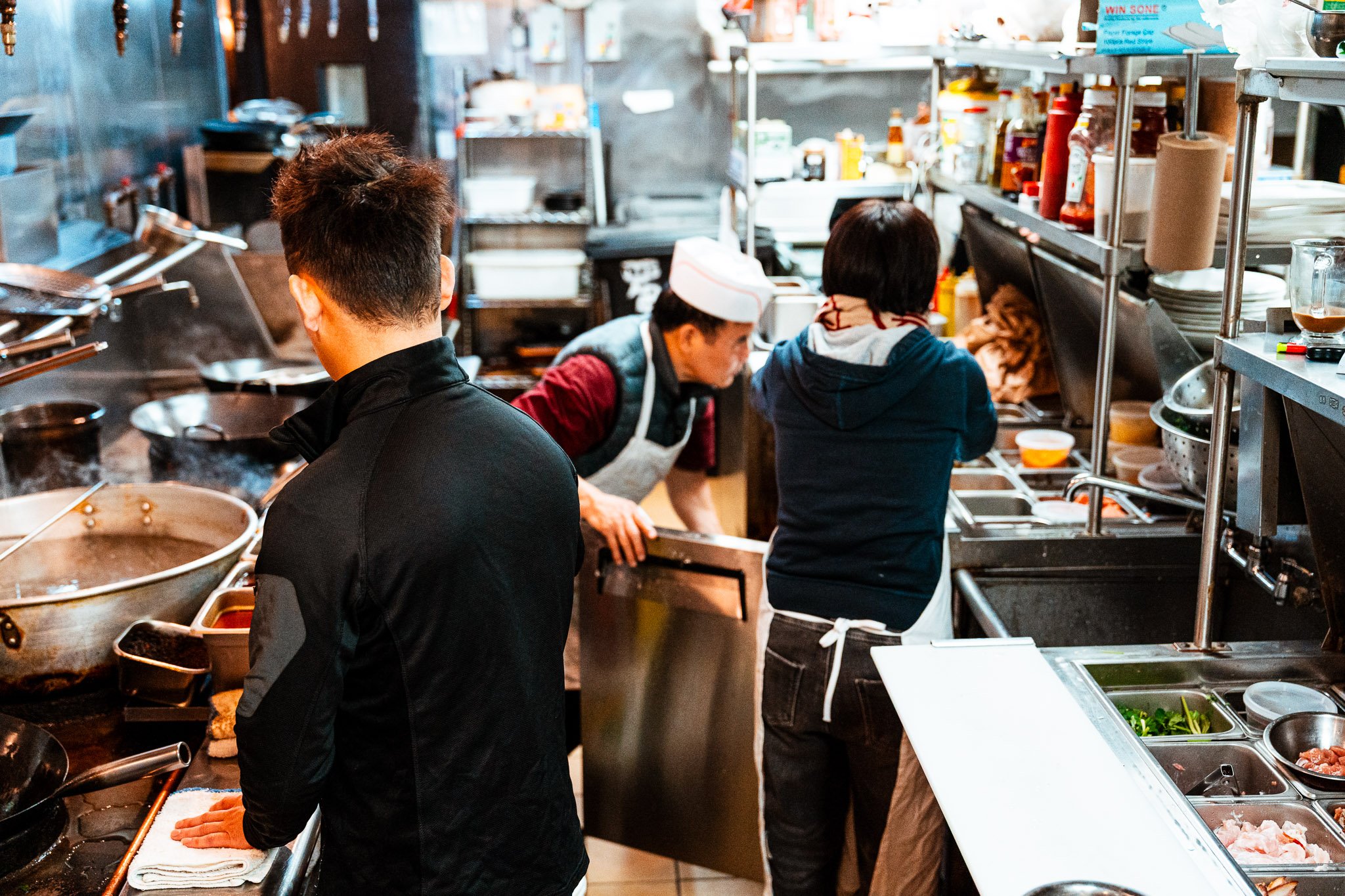
Behind the chatter and the clinking of chopsticks in the dining area lies the nucleus of Alley 41 — the kitchen. Workers with kitchen nicknames like Uncle Jacky, Uncle Luo, Uncle Huang and Auntie Tao work tirelessly behind the scenes to craft unmistakably bold Sichuan flavors through dishes like Chengdu sweet and spicy noodles. They navigate the jam-packed kitchen to retrieve and prepare ingredients and condiments that are the backbone of a diverse menu.
For Auntie Tao, recreating Sichuan cuisine is “not only meeting the future of the moment, but also sharing your own culture and family memories.”
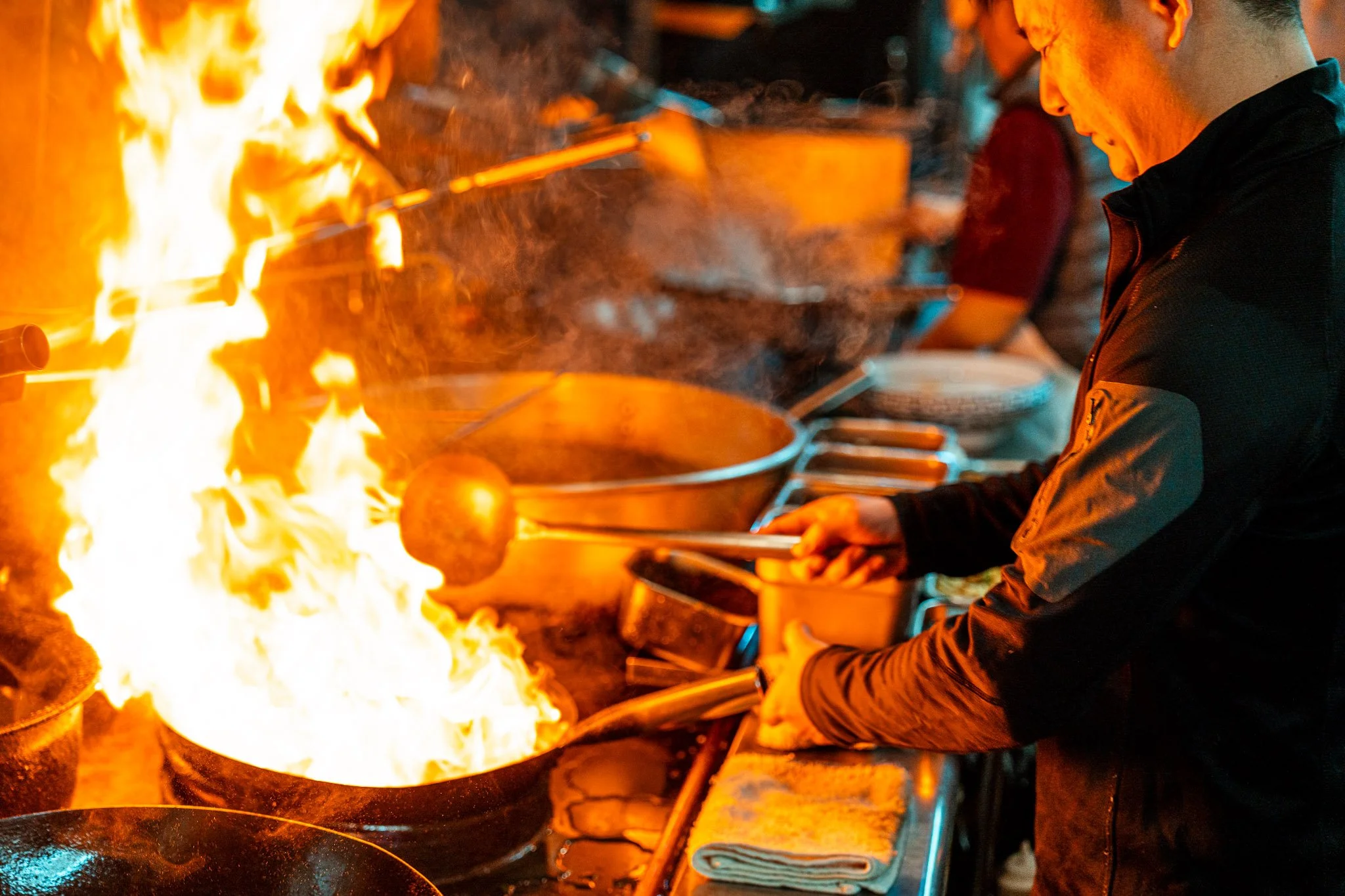
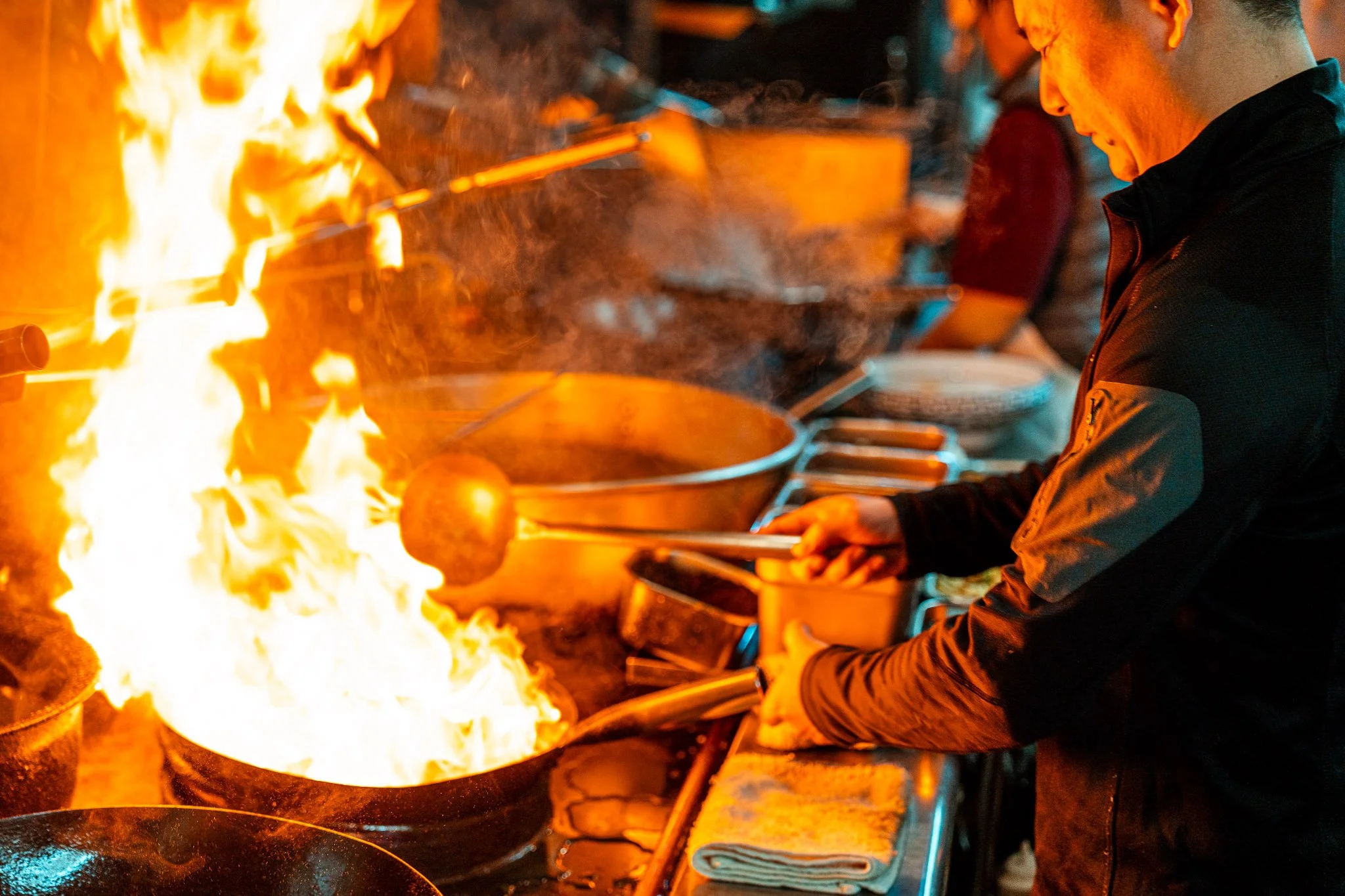
Fire flared up as Uncle Jacky stir-fried ingredients in a wok, achieving the smoky flavor commonly referred to as “wok hei,” by cooking at high temperatures above open stoves.
Such challenging skills performed by chefs require lots of patience and hard work, but, according to Uncle Luo, “When you bring Chinese food to local people and other cultural backgrounds in the United States, this challenge is more meaningful.”
Alley 41 serves as a testament to historical Flushing, a place shaped by the generational dedication of lower-class immigrants seeking new opportunities abroad. Despite modernization in the area, Alley 41 has remained a constant in providing comfort food at affordable prices, earning itself the Michelin Bib Gourmand certificate.
Mr. Yao and his team are creating cultural bridges through food, helping people not only to taste Chinese culture, but also to find shared happiness and emotional connection in the process.
View the full photo series: