Birthright Citizenship and the Fourteenth Amend.
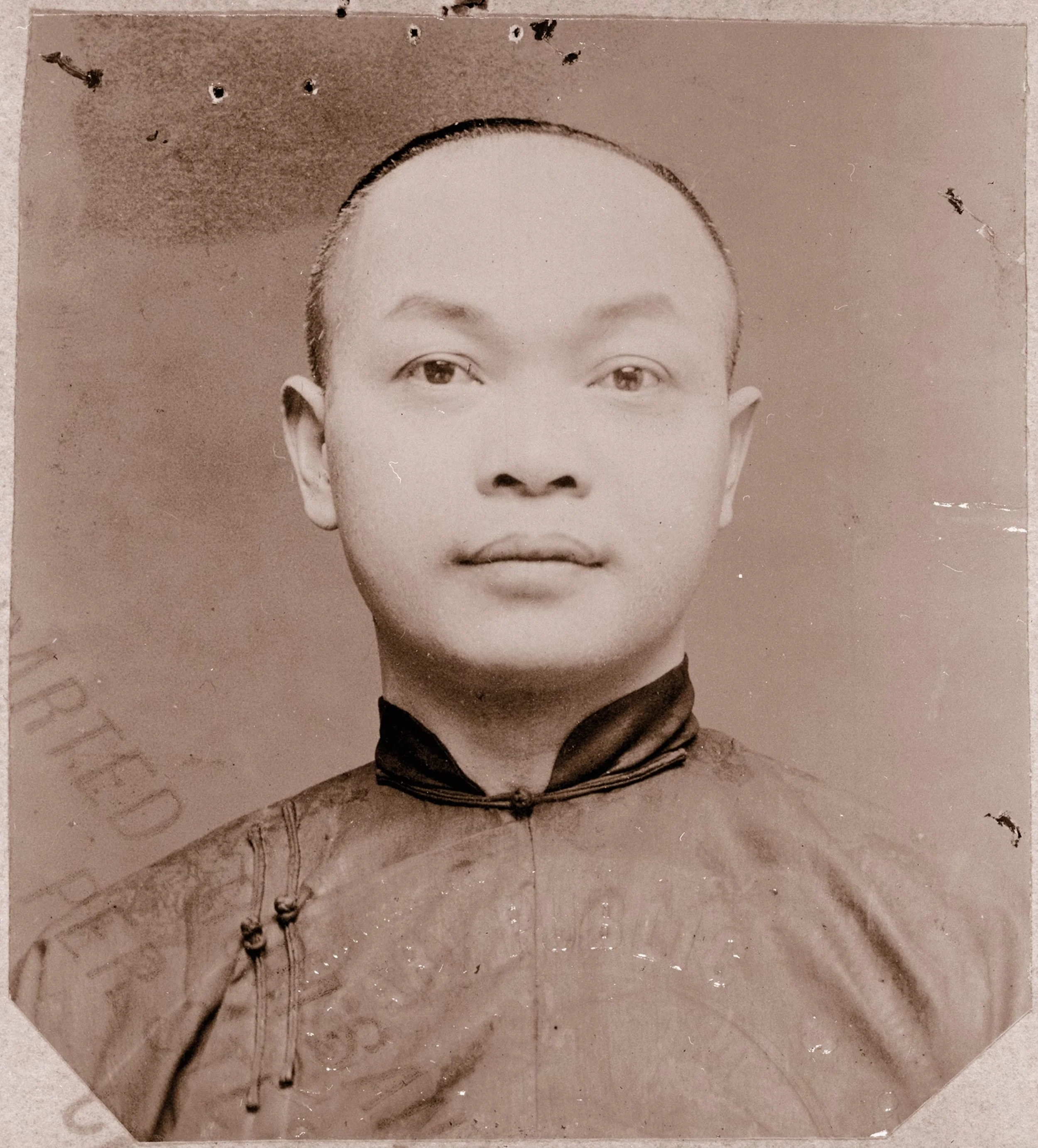
The Precarious Institutional Fix: United States v. Wong Kim Ark and the Paradox of American Citizenship
By Tony-JunLin Pan
Click here to read the essay in full (submission pending publication for The Concord Review)
Abstract: In 1898, the Supreme Court affirmed the Fourteenth Amendment in re United States v. Wong Kim Ark, extending the principle of jus soli, or birthright citizenship, to all those born within the United States—including the children of domiciled Chinese parents. In addition to recognizing the watershed victory for the Chinese on a judicial front, the paper reveals the fragility of a de jure status by reconstructing the palpable discrepancy between Wong Kim Ark’s legal recognition of citizenship and his status as a permanent racial suspect. Specifically, this paper attempts to address the question: how did the legal recognition of birthright citizenship result in a perpetual, de facto state of exclusion notwithstanding citizenship’s theoretical claim to equal statuses amongst all? Contemporary debate over birthright citizenship and denaturalization continue to carry renewed significance in the continued securitization of immigrant communities across America. The systematic denial of de facto belonging, as experienced by Chinese immigrants during the 19th and 20th centuries, serves as a timely reminder of the lasting limitations of democratic promises to citizenship.
Word Count: 13,476
Find more info on my broader group research of Chinese-American history across the United States: